xuye
xuye全站搜索
Search the entire website
整站搜索产品中心新闻中心
点击开始搜索
热门搜索
UltraForm-MXFlexiPoly-RNanoForm Z300EcoFab P200
Search the entire website
Scope of application
It is mainly used in high temperature processes that need to avoid metal contamination, such as annealing of semiconductor wafers (to prevent the diffusion of impurities such as iron and nickel), sintering of high-purity ceramic materials (aluminum nitride, zirconium oxide), and so on.
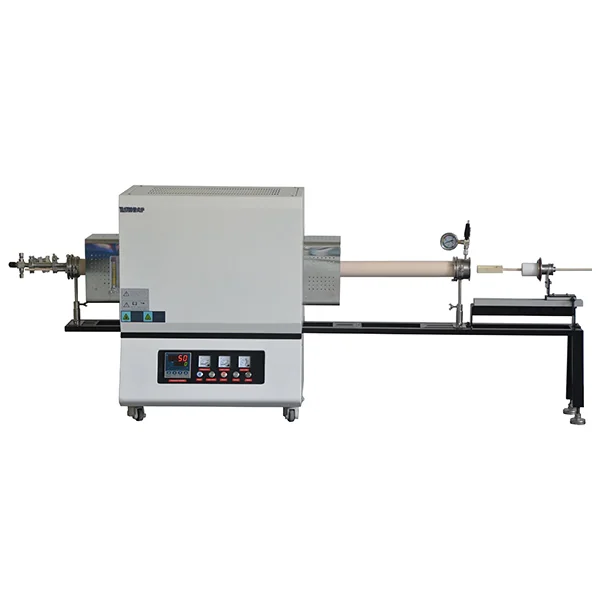
alumina tube furnace is a high-temperature heat treatment device that utilizes high-purity alumina ceramic tubes as heating and reaction tubes. Alumina (Al₂O₃) possesses excellent high-temperature strength, chemical stability, and wear resistance, making this type of tube furnace particularly suitable for heat treatment experiments or production in high-temperature oxidizing atmospheres, corrosive environments, and high vacuum conditions.
II. Structure
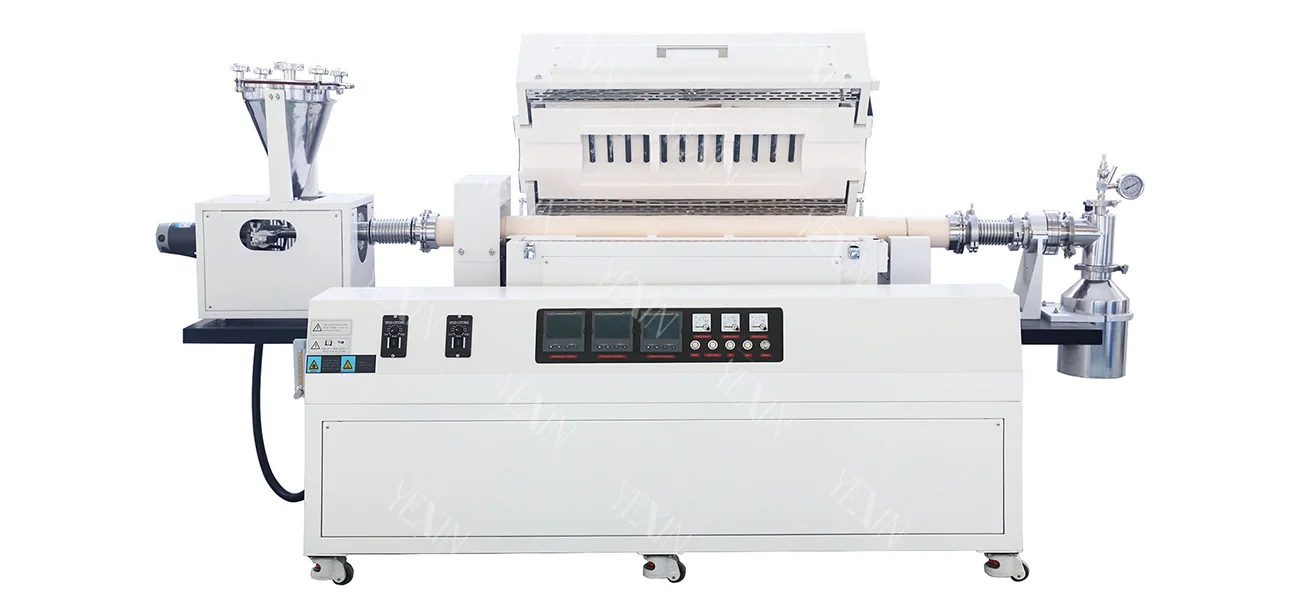
Furnace Body
Double-layer steel shell construction, the outer shell is typically air-cooled.
Interior insulation: vacuum-formed alumina fiber or composite lightweight bricks.
Heating Element
MoSi₂ (molybdenum silicon rod): 1650–1800°C (commonly used).
SiC (silicon carbide rod): 1400–1500°C (commonly used).
Low-temperature version available: high-resistance wire (FeCrAl).
Heating Tube (Core)
Material: 99% high-purity alumina (Al₂O₃)
Temperature Resistance: ≤1800°C
Dimensions: Common inner diameters Φ40–150 mm, lengths 500–2000 mm
Temperature Control System
PID Intelligent Temperature Controller
Supports multi-stage programmable heating curves.
Accuracy: ±1°C ℃
Sealing and Atmosphere System
Flange + O-ring Seal
Can accept air, nitrogen, argon, hydrogen, and other atmospheres
Can be connected to a vacuum pump to achieve low pressure or high vacuum
III. Performance Characteristics
Excellent High-Temperature Resistance: High-purity alumina tubes can withstand long-term operating temperatures up to 1700℃ and transient temperatures up to 1800℃ ℃
Strong chemical stability: Resists acid and alkali corrosion, inert to most molten metals and slag
Excellent airtightness: Maintains a stable seal under vacuum and high pressure
Low thermal expansion coefficient: Excellent thermal shock resistance, not prone to cracking
Multi-temperature control: Enables long uniform temperature zones or temperature gradients
IV. Application Areas
Material Science Research
High-temperature ceramic sintering, powder metallurgy, single crystal growth
New Energy Materials
Calcination of lithium battery cathode materials (lithium iron phosphate, ternary materials)
Chemistry and Catalysis
Catalyst carrier calcination, chemical vapor deposition (CVD), gas-solid reaction
Metallurgy and high-temperature processing
Metal oxidation, reduction, carburizing, and nitriding
Vacuum and atmosphere experiments
High vacuum heat treatment, inert gas sintering
Online Message