xuye
xuye全站搜索
Search the entire website
整站搜索产品中心新闻中心
点击开始搜索
热门搜索
UltraForm-MXFlexiPoly-RNanoForm Z300EcoFab P200
Search the entire website
Scope of application
Ceramic fiber modules are widely used in industrial furnaces and kilns in industries such as steel, non-ferrous metals, and petrochemicals for efficient heat insulation and energy saving. They are also commonly found in heat treatment, ceramic firing, and boiler insulation, enabling rapid heating and durable maintenance.
Ceramic fiber modules are increasingly used in industrial furnace design due to their superior insulation, excellent thermal shock resistance, and quick installation structure. As industries pursue higher energy efficiency and lower operating costs, ceramic fiber modules have become the preferred furnace lining material for metallurgy, petrochemicals, ceramics, and more.
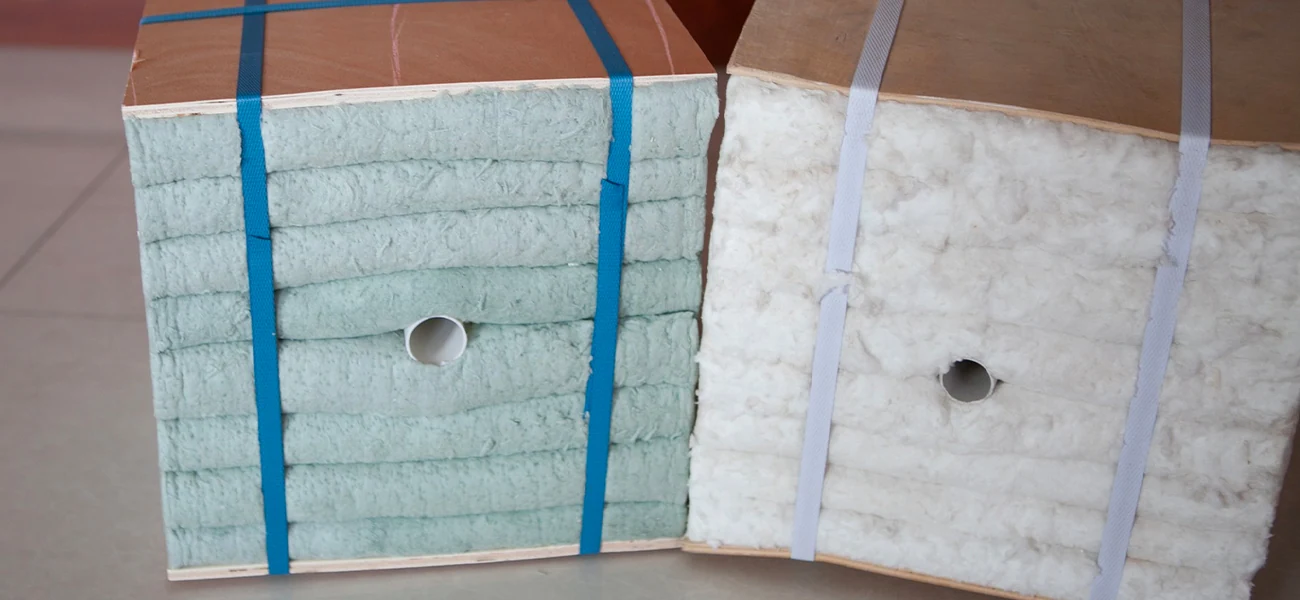
A ceramic fiber module is a block-type insulation material made from needled ceramic fiber blankets. These blankets are compressed and folded into modules, which are then anchored to furnace shells using various anchoring systems to form a continuous, robust insulation layer.
Ceramic fiber modules typically include:
Ceramic fiber modules drastically reduce heat loss, stabilizing furnace temperature and increasing thermal efficiency.
They withstand rapid temperature fluctuations without cracking or spalling.
Reduces load on furnace shell and simplifies installation.
Fibers resist corrosion from most chemicals, smoke, and combustion gases.
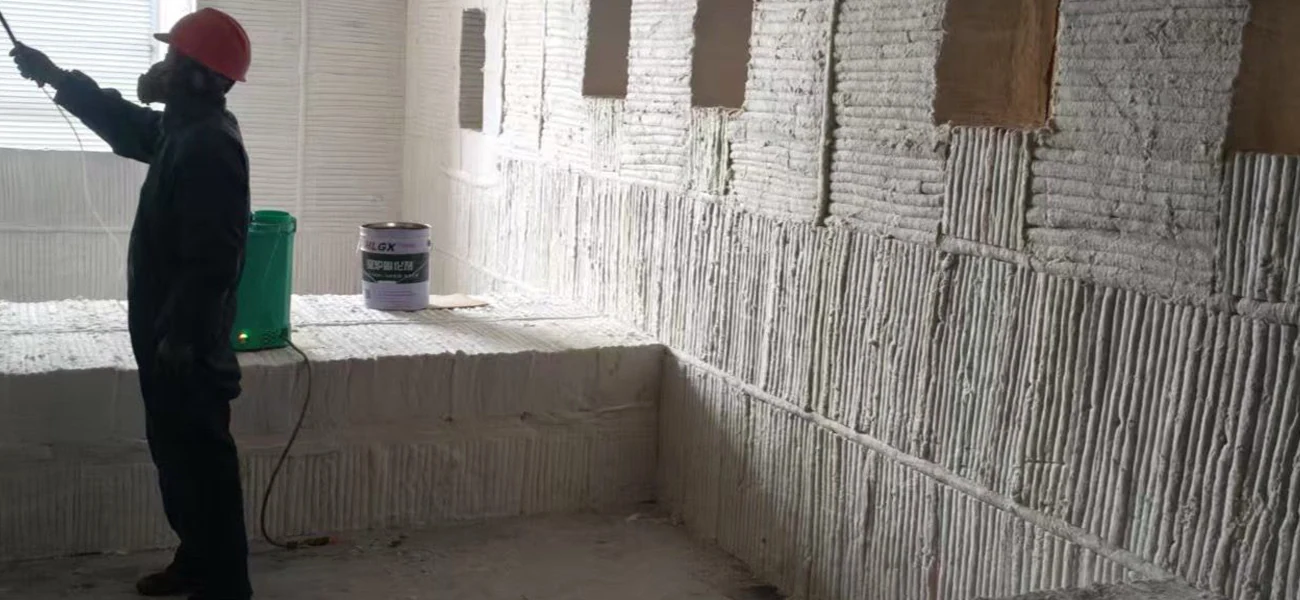
Ceramic fiber modules are designed for efficient installation:
Ceramic fiber modules are widely used in:
Ceramic fiber modules outperform traditional refractory bricks and castables in multiple ways:
For companies aiming to reduce fuel consumption and improve furnace performance, ceramic fiber modules are a reliable and cost-effective solution.
| Mode l | YX-1260 | YX-1400 | YX-1600 | |
| Name | 1260 | 1400 | 1600 | |
| Class if icat ion temperature (℃) | 1260 | 1400 | 1600 | |
| Operat ing temperature (℃) | 1000 | 1200 | 1500 | |
| Colour | wh ite | wh ite | wh ite | |
| Bu lk density(kg/m³) | 160-210 | 160-210 | 160-210 | |
| Shr ink(%) | 1100℃*24h | 1200℃*24h | 1500℃*24h | |
| 2% | 1.50% | 1% | ||
| Therma l conductivity(w/mk) | 600℃ | 0.12 | 0.13 | 0.08 |
| 800℃ | 0.16 | 0.2 | 0.13 | |
| 1000℃ | 0.22 | 0.22 | 0.17 | |
| 1200℃ | – | 0.3 | 0.28 | |
| Rebound rate(%) | 160kg/m³-5~8% | 160kg/m³-5~8% | 160kg/m³-5~8% | |
| 192kg/m³-10~15% | 192kg/m³-10~15% | 192kg/m³-10~15% | ||
| 210kg/m³-15~20% | 210kg/m³-15~20% | 210kg/m³-15~20% | ||

Online Message