xuye
xuye全站搜索
Search the entire website
整站搜索产品中心新闻中心
点击开始搜索
热门搜索
UltraForm-MXFlexiPoly-RNanoForm Z300EcoFab P200
Search the entire website
Scope of application
In the aerospace industry, annealing of large titanium alloy frames and curing of composite materials require high-precision atmosphere control (argon/vacuum) and rapid cooling air quenching systems. In the glass processing industry, precision annealing of optical glass (to eliminate internal stress) is also required.
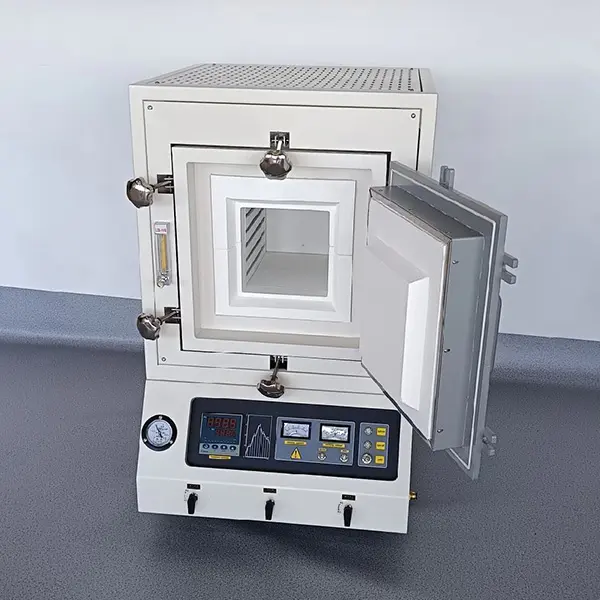
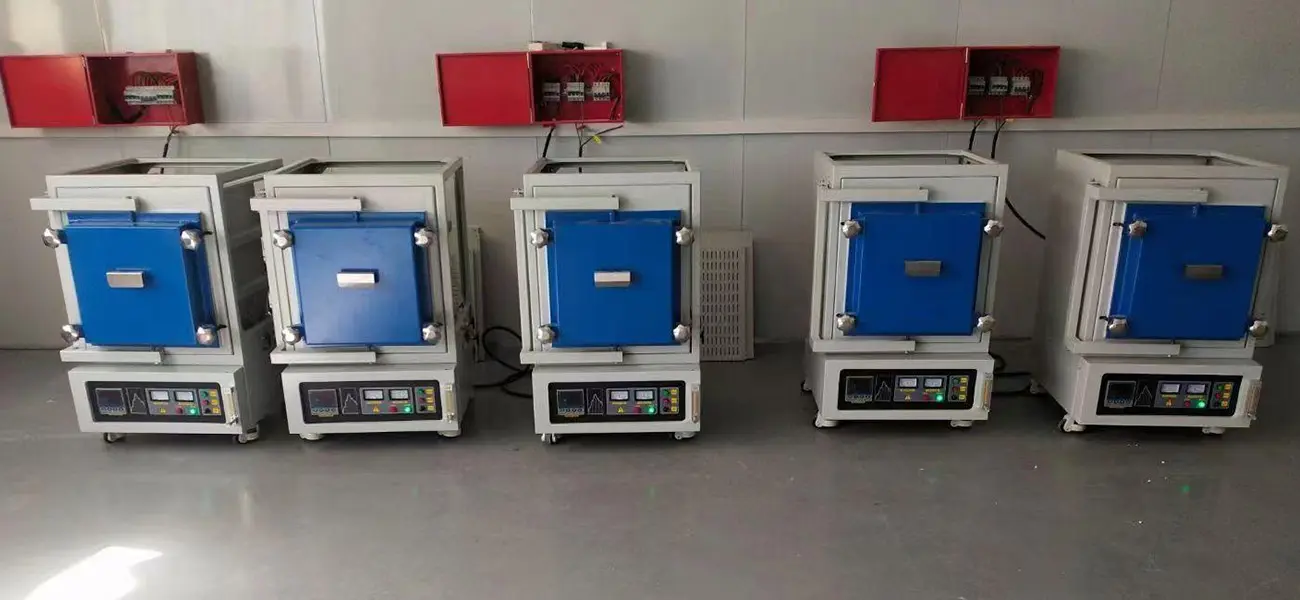
A chamber furnace, named for its box-like structure, is a general-purpose high-temperature heating device widely used in industrial production and laboratory research. It uses electric heating elements to create a uniform high-temperature environment within a confined space, making it suitable for heat treatment, sintering, annealing, ashing, and other processes for a wide range of materials.
II. Basic Structure
Insulation: Multi-layer composite structure, typically consisting of:
Outer Layer: Aluminum Silicate Fiberboard
Middle Layer: High-purity Alumina Fiber
Inner Layer: Polycrystalline Mullite Fiber
Furnace Door: Double-layer water-cooled structure or pneumatic seal design with observation window
Resistance Wire (maximum 1200°C)
Silicon Carbide Rod (maximum 1400°C)
Silicon Molybdenum Rod (maximum 1700°C)
Tungsten Wire (maximum 2000°C and above)
Arrangement: Surround heating or top and bottom heating to ensure temperature uniformity
Human-Machine Interface: Touchscreen operation, supports multi-stage temperature programming
Data Logging: Built-in storage, USB export, and remote monitoring
Medium-Temperature Chamber Furnaces (1200-1400°C): Commonly used for sintering materials
High-Temperature Chamber Furnaces (≥1600°C): Used for special material processing
Protective Atmosphere: Can be used with inert gases such as N₂ and Ar
Vacuum Chamber Furnaces: Equipped with a vacuum system
Industrial Use: Large, continuous operation
Special Applications: Such as rapid heating furnaces and atmosphere sintering furnaces
V. Typical Applications
Metal Powder Metallurgy
Battery Material Heat Treatment
Glass Annealing
Electronic Component Firing
Ash Content Determination
Thermal Analysis Experiment
VI. Operational Procedure
Preparation
Check the Power Supply and Cooling System
Cleaning the Furnace
Prepare Samples and Tooling
Loading
Evenly Arrange Samples
Ensure Unimpeded Airflow (Atmosphere Furnace)
Program Setup
Enter the Heating Curve
Set the Hold Time
Start Operation
Start After Confirming Safety
Monitor Operation Status
Cooling and Removing Materials
Natural or Forced Cooling as Required by Process
Removing Materials Using Specialized Tools
VII. Selection Guide
Maximum Operating Temperature: Select based on process requirements
Furnace Size: Consider sample size and quantity
Temperature Uniformity: A Key Quality Indicator
Atmosphere Requirements: Whether a Protective Atmosphere is Required
Energy Consumption: Long-Term Cost
| Model | Max.temperature | Inner volume | Inner size | Power and Voltage |
| YX-1200-1L | 1200℃ | 1L | 105*105*110mm | 1KW/AC220V |
| YX-1200-4.5L | 1200℃ | 4.5L | 150*150*200mm | 2.5KW/AC220V |
| YX-1200-7.2L | 1200℃ | 7.2L | 200*120*300mm | 3KW/AC220V |
| YX-1200-18L | 1200℃ | 18L | 250*250*300mm | 5KW/AC220V |
| YX-1200-36L | 1200℃ | 36L | 300*300*400mm | 9KW/AC380V |
| YX-1400-3.6L | 1400℃ | 3.6L | 150*150*160mm | 4KW/AC220V |
| YX-1400-8L | 1400℃ | 8L | 200*200*200mm | 6KW/AC220V |
| YX-1400-18L | 1400℃ | 18L | 250*250*300mm | 9KW/AC220V |

Online Message