xuye
xuye全站搜索
Search the entire website
整站搜索产品中心新闻中心
点击开始搜索
热门搜索
UltraForm-MXFlexiPoly-RNanoForm Z300EcoFab P200
Search the entire website
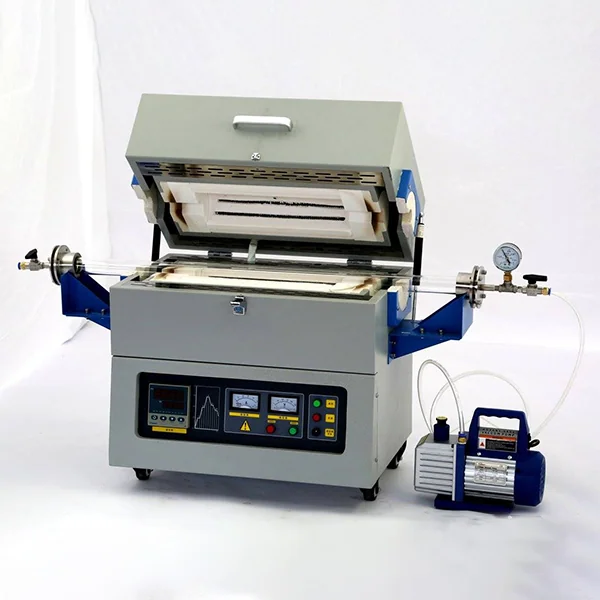
High Temperature Tubular Furnace is a tubular heating device capable of stable operation at temperatures exceeding 1200°C for extended periods. It is commonly used for sintering, annealing, calcining, atmosphere conditioning, and high-temperature experimental research.
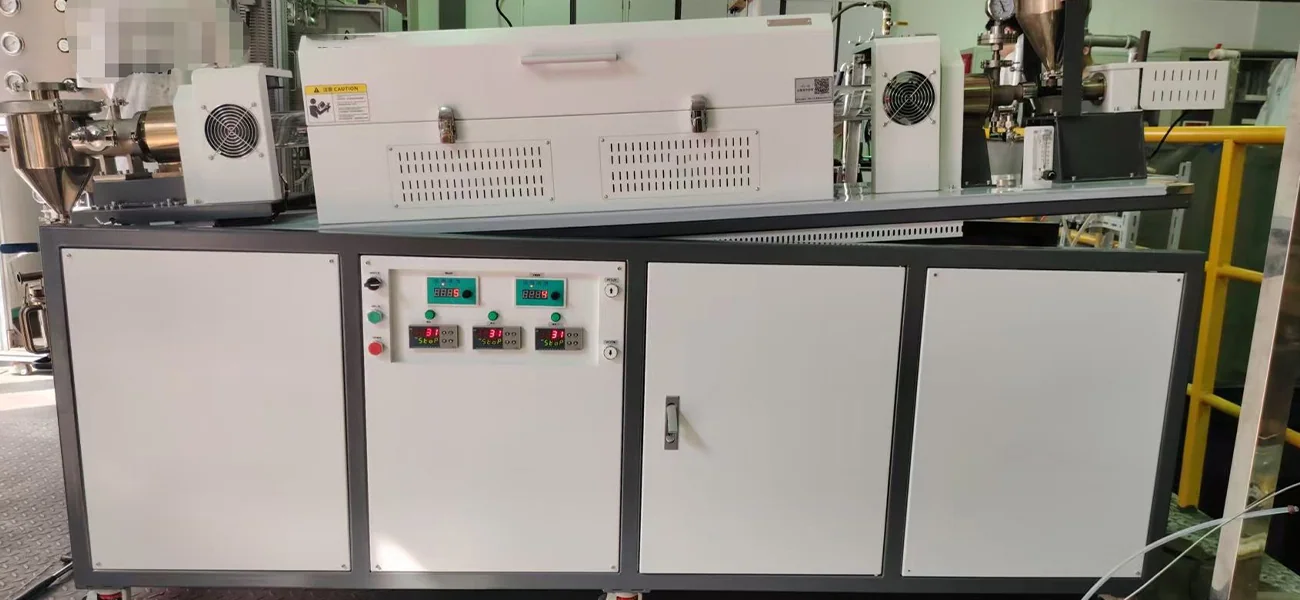
It uses high-performance heating elements (such as silicon carbide rods, molybdenum silicon rods, and graphite heating elements) to heat the sample within the tube to the desired temperature. Combined with a vacuum or atmosphere system, the heat treatment process is completed in a controlled environment.
II. Structural Components
High-temperature tube furnaces generally consist of the following components:
Furnace body and insulation
Double-layer steel shell structure with air cooling system
Internal insulation material: vacuum-formed alumina fiber or multi-layer composite insulation bricks
Heating Elements
SiC (silicon carbide) heating rods: commonly used for temperatures between 1400–1500°C
MoSi₂ (molybdenum silicon) rods: commonly used for temperatures between 1650–1800°C
Graphite heating elements: capable of temperatures of 2000–3000°C in vacuum or inert atmosphere
Heating tubes
Materials include quartz, alumina, corundum, graphite, and SiC ceramics.
Common tube diameters range from Φ40–Φ150 mm.
Temperature Control System
PID Programmable Temperature Controller
Supports multi-stage heating curves
Accuracy up to ±1°C
Atmosphere and Sealing System
Flanges, O Rings, clamps
Inert gas (nitrogen, argon) or reducing gas (hydrogen) is introduced.
Optional vacuum pump units are available to achieve low pressure or high vacuum.
III. Operating Principle
High-temperature tube furnaces use electrical energy to drive heating elements, which transfer heat to the sample within the tube through radiation and convection.
Multi-zone control creates a uniform temperature field or temperature gradient within the tube. The atmosphere system ensures that the sample is heated in a specific chemical environment to avoid oxidation, reaction acceleration, or deposition.
IV. Main Features
High-Temperature Resistance: Long-term operation reaches 1200–1800°C, with special designs exceeding 2000°C
Excellent Temperature Uniformity: Multi-zone design ensures temperature differences within ±3°C between uniform zones
Controllable Atmosphere: Supports air, inert gas, reducing gas, and vacuum environments
Precise Temperature Control: PID control with programmable temperature curves
Safety Features: Over-temperature protection, disconnection, door opening, and gas interlock
V. Applications
Ceramics and Powder Metallurgy: High-temperature sintering and densification
New Energy Materials: Sintering of lithium iron phosphate cathode materials
Semiconductors and Electronics: Crystal growth, diffusion, and annealing
Atmosphere Heat Treatment: Hydrogen reduction, nitridation, and carbonization
Research Experiments: Material performance testing and thermochemical reaction research
Online Message