xuye
xuye全站搜索
Search the entire website
整站搜索产品中心新闻中心
点击开始搜索
热门搜索
UltraForm-MXFlexiPoly-RNanoForm Z300EcoFab P200
Search the entire website
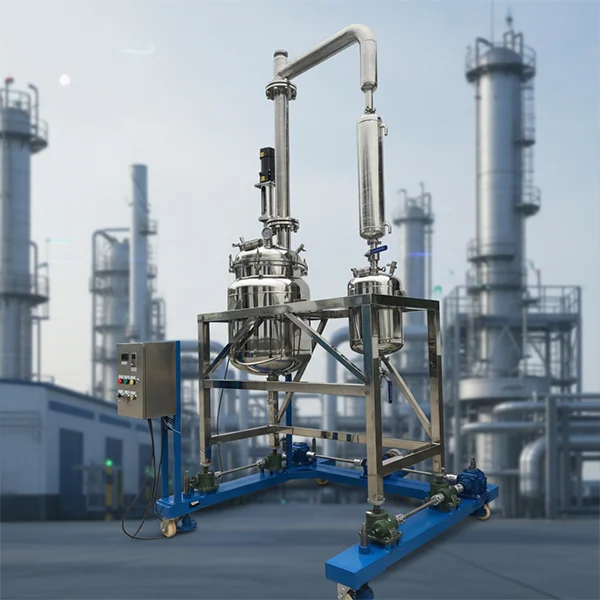
Stainless steel autoclaves are engineered vessels designed to perform sterilization and chemical processing under controlled pressure and temperature. Their robust construction and chemical resistance allow them to operate reliably in harsh environments, making them widely adopted in scientific research and industrial manufacturing.

Stainless steel provides several critical advantages:
These properties make stainless steel ideal for long-term autoclave operation.
Stainless steel autoclaves typically operate at:
Custom autoclaves can be manufactured for higher specifications.
Used for chemical reactions, sample preparation, and material synthesis.
Applied in sterilization, formulation, and controlled chemical processing.
Used for high-pressure reactions and catalyst testing.
Applied in waste treatment, biomass conversion, and green chemistry.
Key factors to consider include:
Choosing the correct autoclave improves efficiency and operational safety.
Manufacturers can customize stainless steel autoclaves with:
Customization ensures optimal performance for specific applications.
Stainless steel autoclaves require minimal maintenance when properly operated. Their durability and resistance to corrosion result in lower lifecycle costs compared to alternative materials.
Modern stainless steel autoclaves are increasingly integrated with:
These advancements enhance productivity and sustainability.
| Model | BSF-10L | BSF-20L | BSF-30L | BSF-50L | BSF-100L |
| Power(W) | 200(1:3) | ||||
| External dimensions(mm) | 540*480*1800 | 550*700*1830 | 550*700*1950 | 700*600*2050 | 700*800*2270 |
| Number of cauldron lid openings | 8 | ||||
| Temperature measurement port | 50.5 chuck / φ8 temperature measuring tube | 50.5 chuck / φ12 temperature measuring tube | |||
| Drop hole | 50.5 mm chuck/1000 ml funnel | 50.5 mm chuck / 2000 ml funnel | |||
| Return hole | 50.5 chuck / φ38 | 50.5 chuck / φ38 | |||
| sight glass | φ51 | φ89 | |||
| sight glass | φ32 | / | |||
| Feeding port | / | φ89 | |||
| Pressure gauge port | 50.5 mm chuck / integrated pressure gauge | ||||
| exhaust vent | 2-way exhaust valve | ||||
| Mixing hole | SUS316L propeller-type mixing impeller | ||||
| High and low temperature resistance (°C) | -120~260 | ||||
| Stainless steel thickness (mm) | φ3 | φ4 | |||
| Discharge valve port diameter | φ35 | ||||

Online Message