xuye
xuye全站搜索
Search the entire website
整站搜索产品中心新闻中心
点击开始搜索
热门搜索
UltraForm-MXFlexiPoly-RNanoForm Z300EcoFab P200
Search the entire website
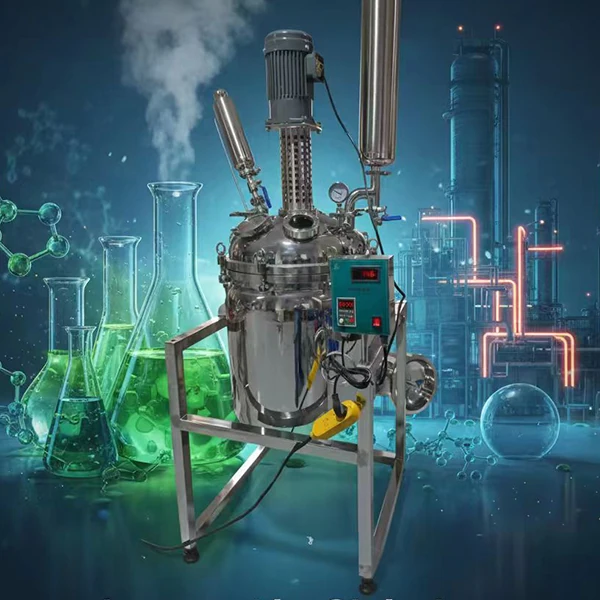
In the chemical processing industry, reactors play a critical role in facilitating and controlling chemical reactions. A stainless steel chemical reactor is one of the most commonly used types of reactors due to its superior corrosion resistance, durability, and ability to withstand high temperatures and pressure. Whether it’s for pharmaceuticals, petrochemicals, food processing, or environmental applications, stainless steel reactors are an essential component for ensuring high-quality production and efficient processing.
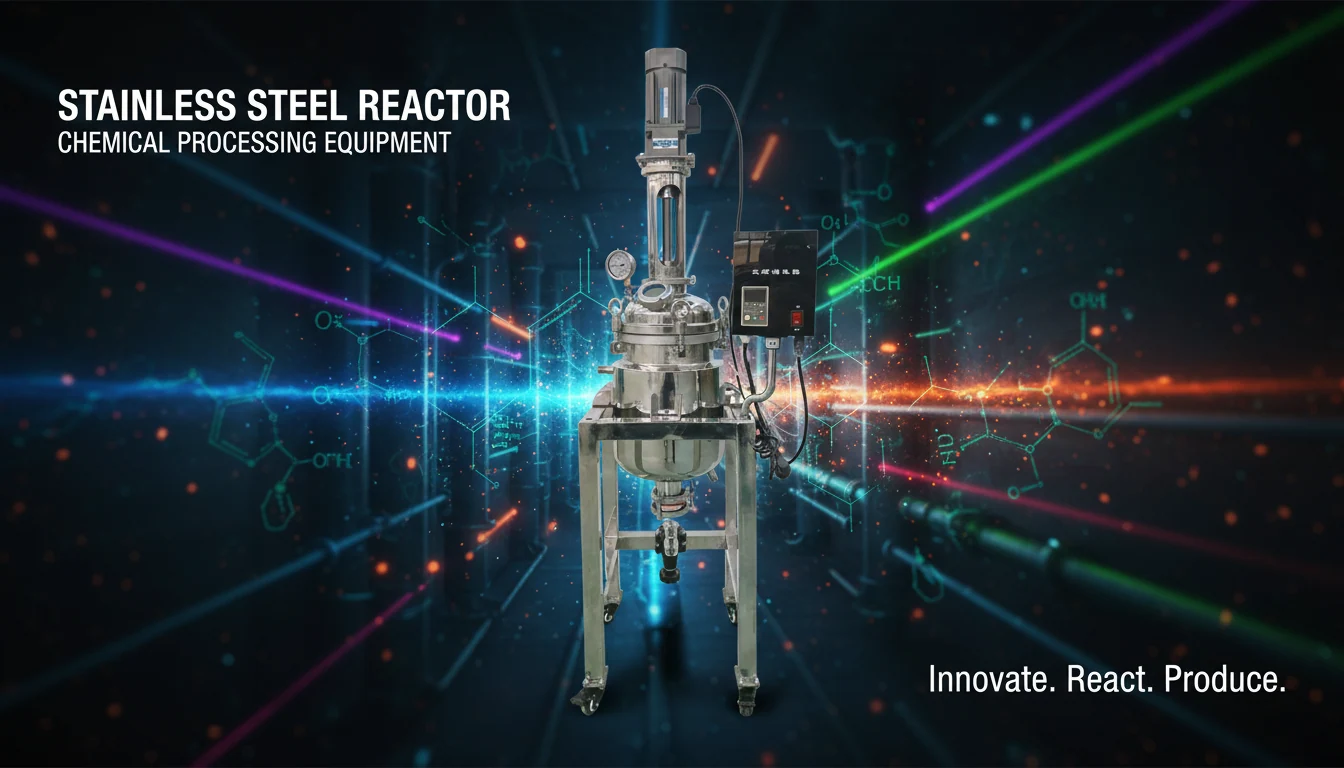
A chemical reactor is a vessel or apparatus used to carry out chemical reactions, typically involving the mixing of reactants under controlled conditions. Stainless steel is chosen for these reactors due to its excellent resistance to corrosion, which makes it ideal for use with harsh chemicals, extreme temperatures, and high-pressure environments. The properties of stainless steel reactors make them suitable for a wide range of industries, including:
One of the primary reasons stainless steel is used in chemical reactors is its exceptional resistance to corrosion. Stainless steel alloys, such as 304, 316, and 2205, contain a significant amount of chromium, which forms a protective oxide layer on the surface of the steel. This layer prevents the steel from reacting with chemicals, moisture, or air, which could otherwise lead to rust or corrosion.
This corrosion resistance is especially beneficial when processing corrosive chemicals, acids, alkalis, and solvents. Industries that deal with harsh substances, such as the pharmaceutical, petrochemical, and food industries, rely on stainless steel reactors to ensure that reactions proceed without contamination or damage to the equipment.
Stainless steel is incredibly durable and has a long service life. The alloy’s strength and toughness allow it to withstand mechanical stresses, including high temperatures, pressures, and vibration. This durability means fewer maintenance needs and less downtime, which can ultimately improve production efficiency.
Moreover, stainless steel reactors are more resistant to wear and tear compared to other materials like carbon steel or glass-lined reactors. This makes stainless steel reactors a long-term investment, reducing the need for frequent replacements or repairs.
Another significant advantage of stainless steel reactors is their ability to perform under extreme conditions. Stainless steel can handle high-temperature reactions (up to 800°C or higher, depending on the alloy) and high-pressure environments. For processes that require heat or pressure to drive reactions, such as hydrogenation, polymerization, and synthesis of specialty chemicals, stainless steel reactors are often the best choice.
This high tolerance to heat and pressure ensures that the reactor can maintain its structural integrity, preventing leaks or failures even during intense operations.
Stainless steel chemical reactors can be designed and fabricated to meet specific needs, making them versatile for a wide range of processes. They can be constructed in various sizes, shapes, and configurations, and can include features such as:
Whether you need a small reactor for laboratory-scale production or a large-scale reactor for industrial use, stainless steel provides the flexibility to design equipment that matches your exact process requirements.
For industries like food and pharmaceuticals, where cleanliness is crucial, stainless steel reactors are the ideal choice. Stainless steel is non-reactive and does not harbor bacteria, making it easier to clean and sanitize. In fact, its smooth surface prevents the buildup of contaminants, reducing the risk of cross-contamination between batches.
Stainless steel reactors are often used in applications where strict hygiene standards are enforced, such as the production of medicines, food additives, or cosmetics.
Stainless steel reactors are also considered more environmentally friendly compared to reactors made from other materials. Their corrosion resistance and long lifespan reduce the need for frequent replacements, leading to less waste and lower carbon emissions associated with manufacturing and disposal.
Additionally, the strong and reliable design of stainless steel reactors contributes to safety. They are less likely to rupture, leak, or fail during operation, which is especially critical when dealing with hazardous chemicals.
While stainless steel may have a higher initial cost than materials like carbon steel or plastic, its durability, longevity, and reduced maintenance requirements make it a cost-effective option in the long run. Businesses can save money on repairs, replacements, and downtime, ultimately improving their bottom line.
Stainless steel chemical reactors are widely used across various industries, thanks to their strength, resistance to corrosion, and versatility. Some of the most common applications include:
| Model | BSF-10L | BSF-20L | BSF-30L | BSF-50L | BSF-100L |
| Power(W) | 200(1:3) | ||||
| External dimensions(mm) | 540*480*1800 | 550*700*1830 | 550*700*1950 | 700*600*2050 | 700*800*2270 |
| Number of cauldron lid openings | 8 | ||||
| Temperature measurement port | 50.5 chuck / φ8 temperature measuring tube | 50.5 chuck / φ12 temperature measuring tube | |||
| Drop hole | 50.5 mm chuck/1000 ml funnel | 50.5 mm chuck / 2000 ml funnel | |||
| Return hole | 50.5 chuck / φ38 | 50.5 chuck / φ38 | |||
| sight glass | φ51 | φ89 | |||
| sight glass | φ32 | / | |||
| Feeding port | / | φ89 | |||
| Pressure gauge port | 50.5 mm chuck / integrated pressure gauge | ||||
| exhaust vent | 2-way exhaust valve | ||||
| Mixing hole | SUS316L propeller-type mixing impeller | ||||
| High and low temperature resistance (°C) | -120~260 | ||||
| Stainless steel thickness (mm) | φ3 | φ4 | |||
| Discharge valve port diameter | φ35 | ||||

Online Message